
Herbal Teas Rooted in British Gardens & Hedgerows
Britain has a long-standing tradition of turning garden herbs and wild plants into comforting infusions enjoyed at home. Whether you prefer a mild chamomile cup after dinner or a refreshing peppermint infusion on a summer afternoon, herbal teas are part of everyday kitchen life across England, Scotland, and Wales. This educational guide explains which plants grow well in the UK climate, how to prepare them at home, and simple recipes using dried or fresh ingredients.
Browse Classic Recipes
A Living Tradition Across the British Isles
Herbal infusions have been part of British household life for centuries, long before tea bags became common on supermarket shelves.
Walk through any British village garden in summer and you will likely spot lavender, mint, rosemary, and perhaps a patch of lemon balm tucked beside the path. These plants were historically gathered for kitchen use and simple home preparations. Monastic herb gardens in medieval England catalogued dozens of plants, many of which remain popular in modern herbal tea blends sold at farmers' markets from Cornwall to the Scottish Highlands.
What makes British herbal tea culture distinctive is its connection to place. Nettle grows abundantly in damp meadows, elderflower appears along country lanes in late spring, and rosehips ripen on hedgerows in autumn. Rather than importing exotic ingredients, many UK households prefer working with what the local landscape offers. A 2019 survey by the UK Tea & Infusions Association found that herbal and fruit infusions account for roughly one-third of all tea consumed in British homes, reflecting a steady shift toward plant-based drinks beyond traditional black tea.
Whether you forage responsibly or buy from a trusted supplier, understanding seasonal availability helps you choose fresher, more flavourful ingredients. Spring nettles, summer peppermint, and autumn rosehip each bring a different character to the cup, and learning these rhythms is one of the most rewarding parts of British herbal tea craft.
Quick Tip
Store dried herbs in airtight glass jars away from direct sunlight. A cool cupboard in a British kitchen — not above the hob where heat and steam accumulate — keeps volatile oils intact for months. Label each jar with the harvest date so you know when to refresh your stock.
Native & Garden Herbs Commonly Used in Britain
Chamomile
German chamomile (Matricaria chamomilla) thrives in sunny British gardens and dry meadows. Its small daisy-like flowers produce a gentle, apple-scented infusion. Harvest flower heads on dry mornings once petals begin to curl inward. One teaspoon of dried flowers per cup, steeped for five to seven minutes, yields a mild golden cup suited to quiet evening routines.
Peppermint
True peppermint (Mentha × piperita) grows vigorously in UK allotments and can spread quickly if not contained in pots. Fresh leaves give a sharper, cooler flavour than dried. The menthol in peppermint leaves gives the familiar cool aroma found in British kitchen gardens. Use one tablespoon of torn fresh leaves or one teaspoon dried per 250 ml of water.
Nettle
Common nettle (Urtica dioica) is widespread across British countryside from March through autumn. Young spring tops are preferred for infusions because they carry a cleaner, grassier taste. Wear gloves when picking. Nettle has a long history of culinary use across Northern Europe, including traditional British soups and home infusions documented in regional cookery archives.
Lavender
English lavender (Lavandula angustifolia) flourishes in well-drained soils along the south coast. A little goes a long way — half a teaspoon of dried buds per cup is plenty. Over-steeping produces a soapy taste, so keep infusion time to three or four minutes. Pairs well with chamomile for a floral evening blend popular in Cotswolds tearooms.
Lemon Balm
Lemon balm (Melissa officinalis) is a mint family plant with a bright citrus scent. It grows easily in British herb gardens and self-seeds freely. Fresh leaves make a lively summer iced infusion with a gentle, lemony character. Lemon balm appears in Victorian household manuals as a popular garden herb for homemade tisanes.
Rosehip
Wild rosehips from Rosa canina appear on British hedgerows after the first frosts. They deliver a tart, fruity cup with deep amber colour. Crush dried rosehips lightly before steeping to release flavour. Simmering for ten to fifteen minutes — rather than simple steeping — extracts more colour and tang, a method favoured in Yorkshire home kitchens for decades.
Getting the Water Temperature Right
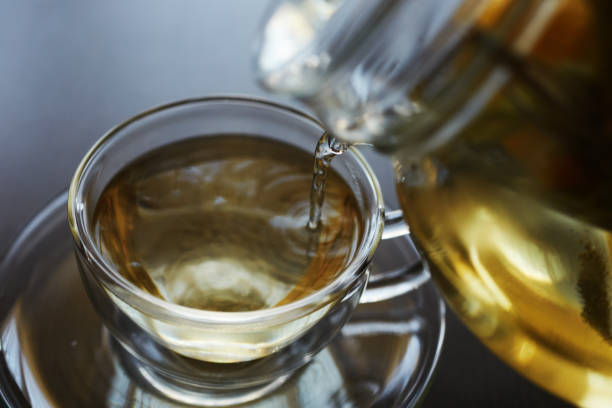
Unlike black tea, most herbal infusions prefer water just off the boil — around 90 to 95 °C. Pouring actively boiling water directly onto delicate flowers like chamomile can scorch them and produce a bitter edge. Let the kettle rest for thirty seconds after switching off, then pour. For roots and bark such as ginger or cinnamon stick, a brief simmer at 100 °C helps draw out deeper flavours over five to ten minutes.
Hard water common in parts of southern England can flatten subtle herbal notes. If your tap water tastes heavily mineral, try filtered or bottled spring water and notice whether chamomile tastes rounder and peppermint feels brighter. Many dedicated tea drinkers in London and Southampton keep a simple filter jug specifically for infusions.
- Delicate flowers: 90 °C, 5–7 minutes
- Leaves and stems: 95 °C, 7–10 minutes
- Roots, seeds, bark: 100 °C, 10–15 minutes
- Cover your cup or pot while steeping to retain volatile oils
Why Steeping Time Changes Everything
Herbal teas are forgiving, but steeping time still shapes the final cup. Under-steeped chamomile tastes faintly grassy; over-steeped peppermint becomes overwhelmingly menthol-heavy. A practical approach is to set a timer on your phone for the first few attempts until your palate learns the rhythm. British herbalist workshops often recommend tasting at the halfway mark — for example, at four minutes for a seven-minute infusion — to understand how flavour develops.
Leaf size matters too. Whole dried peppermint leaves release flavour more slowly than finely cut tea-bag grade material. If you buy loose herbs from a UK market stall, ask whether they are whole leaf or cut, and adjust timing accordingly. Crushing herbs between your fingers before steeping speeds extraction but can also increase bitterness, so handle robust plants like nettle with a lighter touch.
Seasonal Drinking Through the British Year
British weather shifts dramatically across seasons, and many tea enthusiasts align their cups with the calendar. In January and February, warming blends with ginger, cinnamon, and dried orange peel feel comforting during grey afternoons. Spring invites lighter infusions — nettle tops, cleavers, and early mint shoots appear in foragers' baskets from April onwards across Devon and Somerset.
Summer calls for chilled infusions. Steep peppermint or lemon balm double-strength, cool to room temperature, then refrigerate. Serve over ice with a sprig of fresh mint from the garden. Autumn is rosehip season; gathering the bright red hips after the first frost is a tradition in rural Wales and the Lake District. Winter evenings suit robust blends — a mix of dried hawthorn berries, rosehips, and a cinnamon stick simmered slowly in a small saucepan.
Explore Seasonal Blends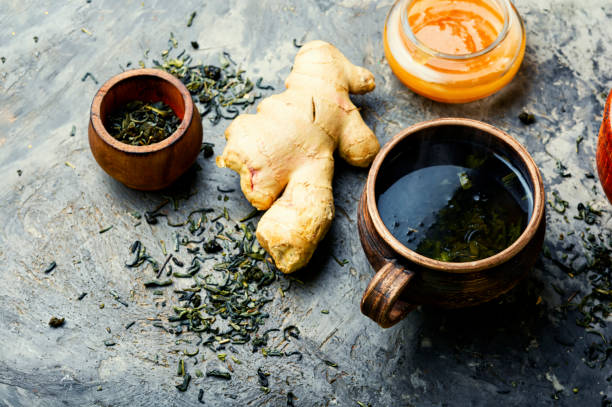
History & Cultural Notes Worth Knowing
Medieval Monastic Gardens
Herb gardens at abbeys like those at Canterbury and Winchester preserved knowledge of culinary and household plants. Many species — sage, thyme, chamomile — remain staples in modern British herbal tea blends available at shops along the high street.
Victorian Domestic Manuals
Household guides from the 1800s routinely included chapters on preparing tisanes from garden produce. Mrs Beeton's contemporaries documented recipes for mint and balm drinks served to guests as refreshing drinks during afternoon calls.
Modern UK Consumption Trends
Industry data shows steady growth in herbal and fruit infusion sales throughout the 2010s and 2020s. Consumers increasingly seek caffeine-free options, transparent sourcing, and blends that reflect British botanical heritage rather than generic international flavourings.
Building Your Home Herbal Tea Pantry
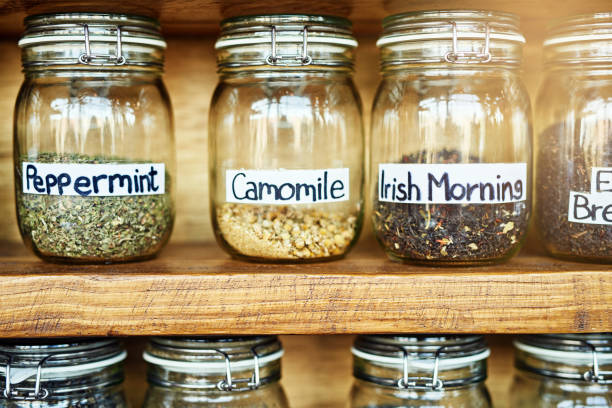
Starting a herbal tea collection does not require dozens of jars. A sensible British starter pantry might include chamomile flowers, peppermint leaf, nettle, and rosehips — four versatile ingredients that combine in various ways. Buy small quantities first from a reputable UK supplier who lists origin and harvest information on the label.
Keep a dedicated teaspoon and small strainer or infuser basket. Metal mesh infusers work well for cut leaf, while a fine cotton tea bag suits dusty chamomile flowers. A simple notebook to record ratios, steeping times, and personal preferences quickly becomes an invaluable reference. Note whether you used fresh or dried material, as fresh herbs generally require roughly double the amount by volume.
About This Website
Strongvrcleaneu.ddd is an independent educational publisher based in Southampton, United Kingdom. We create free, original articles about British herbal tea culture, home steeping methods, and seasonal recipes for general readers.
We are not a medical practice, pharmacy, supplement seller, or food retailer. We do not manufacture, distribute, or sell herbal products of any kind. Our content is written for informational and recreational purposes — like a digital kitchen and gardening guide — and should not be interpreted as advice about health, diet, or treatment.
All recipes describe common home kitchen practices. Flavour descriptions reflect culinary experience, not promised outcomes. For questions about ingredients or allergies, seek independent professional advice — we cannot assess individual circumstances.
What We Offer
- Free educational guides — no purchase required
- Original writing about UK herbs and tea culture
- Practical steeping tips for home kitchens
- Transparent contact details and UK-based operator
- Full privacy, cookie, and terms policies
Safety & Responsible Use
Herbal infusions are everyday kitchen beverages in Britain, but sensible precautions matter when preparing any food or drink at home. Always identify plants with absolute certainty before foraging — several toxic species resemble edible herbs. Attend a guided foraging walk or use a reputable field guide before picking wild plants.
This website does not assess your personal circumstances and does not provide individual recommendations. If you are unsure whether an ingredient is appropriate for your household, obtain independent advice from a qualified professional before use.
- Buy dried herbs from licensed UK food suppliers with clear labelling
- Never consume plants foraged near roads or sprayed with pesticides
- Try small quantities when sampling a new herb for the first time
- Stop using any ingredient that causes an unexpected reaction
- Store dried herbs below 21 °C in airtight containers
- Check best-before dates and discard mouldy or musty material